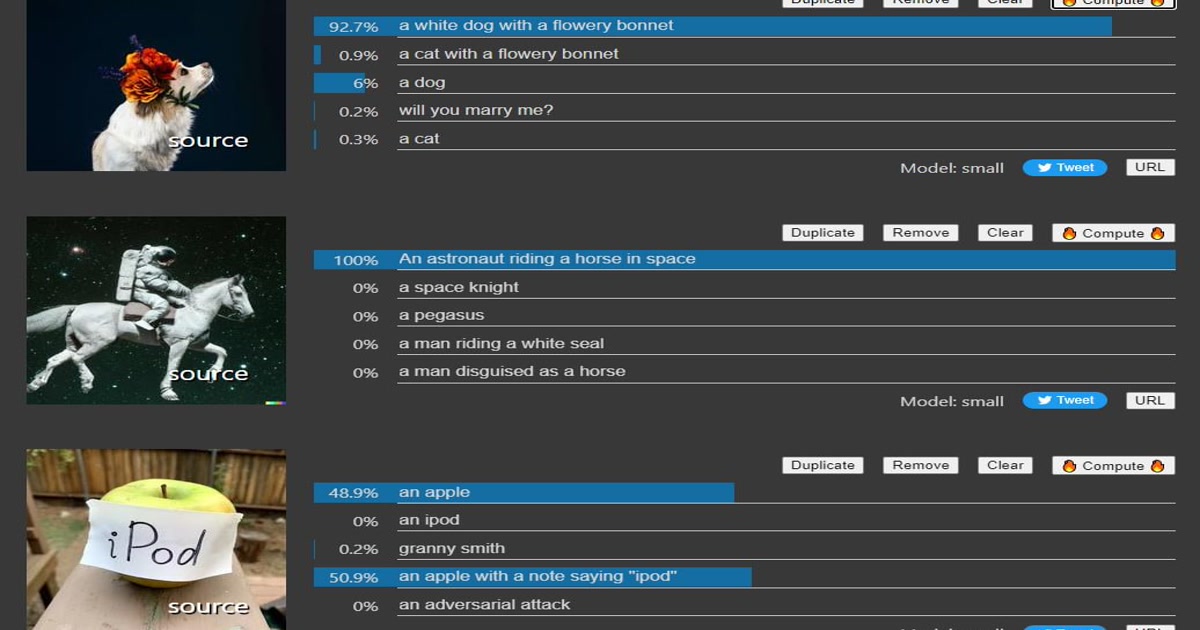
Google Research introduces LiT (Locked-image Text Tuning), a novel technique for binding language understanding to image processing models. By "locking" the pre-trained image encoder and training only the text encoder to understand image representations, the model can perform zero-shot transfer to new tasks without fine-tuning.
LiT Outperforms OpenAI CLIP
LiT outperforms OpenAI CLIP on multiple image classification benchmarks, proving this technique's superior effectiveness over traditional methods. The uniqueness of LiT lies in locking the pre-trained image encoder, eliminating the need to retrain this portion, which saves significant computational resources.
Advantages of LiT
Massive compute savings - Uses pre-trained image encoder without retraining Zero-shot transfer - Can immediately apply to various image analysis tasks like retrieval, classification No additional dataset preparation - Unlike ImageNet-trained models requiring fine-tuning for each task change
Industry Impact
The significant impact is lowering barriers for implementing AI image analysis in real-world applications, especially in industries with limited labeled data. This technique enables organizations with limited image data to use AI for image analysis without heavy investment in data collection and model training.
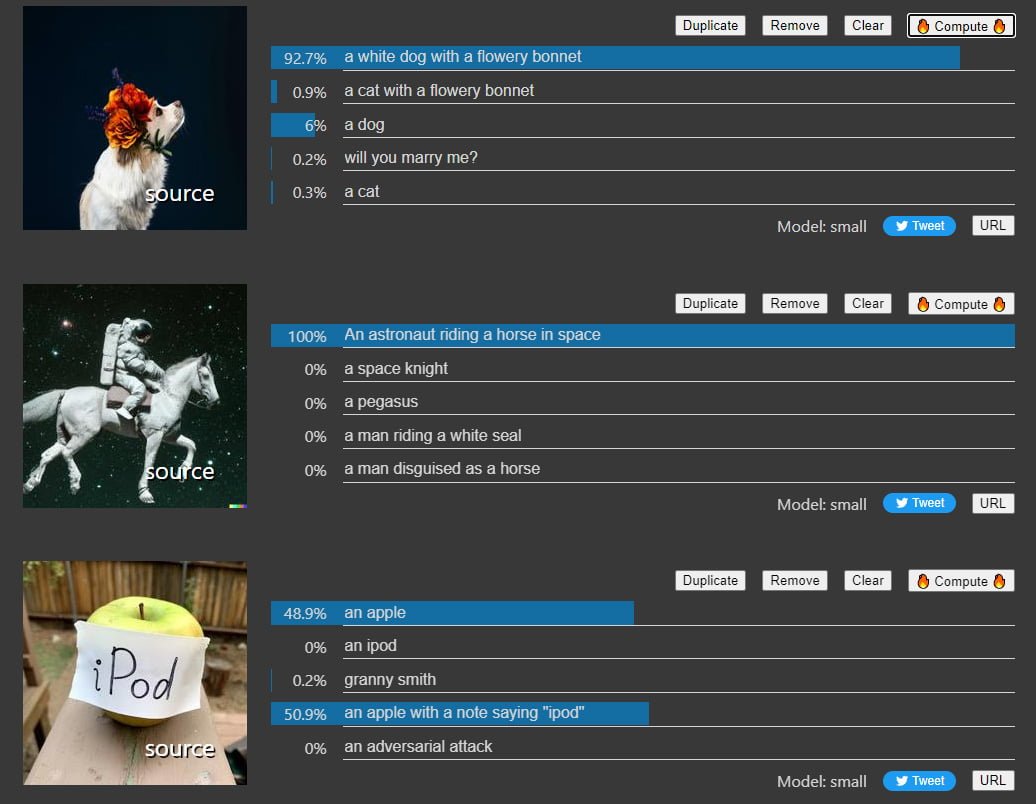
LiT is a good example of algorithm improvement achieving higher efficiency without requiring more training resources, representing an important direction in developing sustainable and practical AI. Reference: https://the-decoder.com/googles-best-ai-image-analysis-is-pretty-lit-and-beats-openai/