In 2026, the AI industry converged on a single architecture for multi-agent systems — "Orchestrator + Isolated Subagents". Anthropic, Cognition (Devin), OpenAI, and LangChain all adopted this pattern, while "Peer Collaboration" designs where agents talk directly to each other quietly faded away.
The New Industry Standard
In late 2025, there was intense debate: Peer Collaboration (agents chatting with each other) vs. Orchestrator + Subagents. But by 2026, real-world research and production usage made the answer clear.
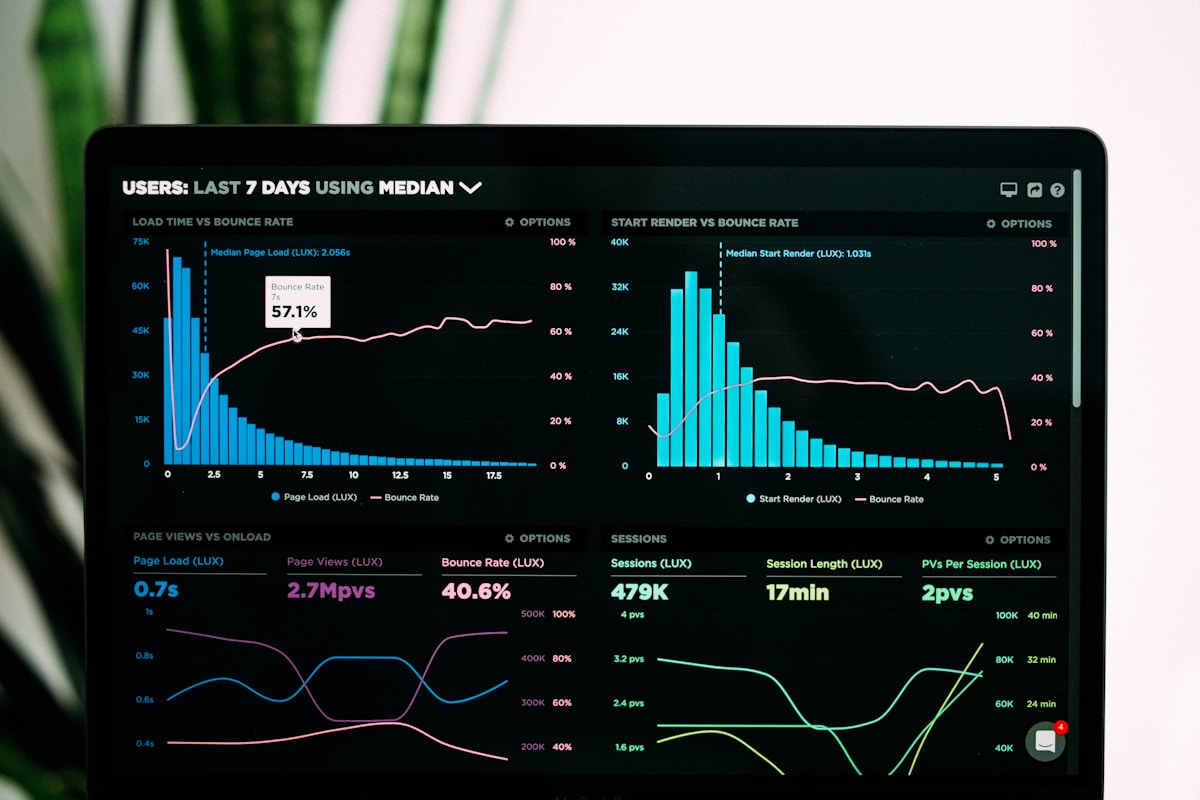
Anthropic's June 2025 engineering analysis revealed:
Agents use ~4× more tokens than standard chat
Multi-agent systems use ~15× more tokens than chat
Token usage alone explains 80% of performance variance
This doesn't mean multi-agent is always wrong. It means the burden of proof is on multi-agent, not the simpler design.
What is Orchestrator + Isolated Subagents?
This architecture has two main components:
- Orchestrator: The main agent that owns the full conversation context
- Isolated Subagents: Ephemeral agents created for isolated subtasks
Each subagent works in a fresh, isolated context window with its own system prompt, completes its task, and returns a single summary string.
Key points:
No peer-to-peer communication channels No shared mutable state Bounded coordination costs
When Should You Use Multi-Agent?
2026 research shows multi-agent is only worth it in 2-3 cases:
1. Parallelizable Work
Tasks that can be split into independent parts, like: Analyzing multiple data sources simultaneously Evaluating multiple projects at once Testing different system parts concurrently
2. Read-Heavy Domain Isolation
Tasks requiring security or tool isolation, like: Billing agents that shouldn't see engineering tools HR agents isolated from finance Compliance agents with limited access
3. Narrow Domain Reliability
Tasks requiring specialized expertise, like: Medical diagnosis subagents Legal compliance subagents Financial analysis subagents
Main Problems with Peer Collaboration
The Peer Collaboration pattern where agents talk directly has three major issues:
1. O(n²) Communication Costs
Every time an agent wakes another agent, it must re-read the full transcript. More agents = exponentially more relationships.
2. Error Cascade
If one agent makes a mistake, it propagates to other agents and becomes hard to fix.
3. System Prompt Bloat
Every agent call carries the entire coordination protocol, wasting tokens.
Real-World Examples
Anthropic's Research Multi-Agent System
Single orchestrator as the "brain" Dispatches subtasks to specialized subagents Each subagent in its own sandbox
Claude Code's Task Tool
Orchestrator manages full context Spawns subagents for subtasks Subagents return compressed summaries only
OpenAI's Agents-as-Tools
Agents are tools for the orchestrator Work in isolated contexts Return compressed results
Lessons from 2026 Production
From real-world experience in 2026:
- Don't use multi-agent for everything — only when necessary
- Watch token budgets carefully — multi-agent costs 15× more
- Use isolated sandboxes — reduce risk and prevent cascade failures
- Design specialized subagents — avoid redundant subtasks
- Measure real results — don't judge by benchmarks or marketing alone
Late 2026 Trends
FlowHunt's analysis shows: Peer GroupChat is declining Orchestrator + Subagents became the standard Single-agent + RAG remains viable for most tasks Domain-specific subagents are the future of multi-agent
Summary
The Orchestrator + Isolated Subagents architecture is where everyone converged in 2026. Not because it's fancy, but because: Costs are manageable Complexity is bounded Security is enforceable The right question isn't "Should I use multi-agent?" but "Does this task actually need multi-agent?" Reference: FlowHunt - Multi-Agent AI Systems in 2026